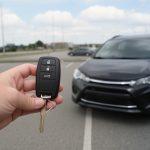
When a car key suddenly stops working correctly, replacing the entire key might seem like the obvious solution. However, depending on the type of key, the vehicle, and the cause of the problem, reprogramming may sometimes be possible instead.
Modern car keys can contain sophisticated electronic components that communicate with the vehicle’s security and immobiliser systems. If you’re experiencing problems with a key, a professional Car locksmith Bournemouth service can assess the symptoms and determine whether reprogramming, repair, or replacement is the most appropriate solution.
📑 Table of Contents
📍 What Does Car Key Reprogramming Mean?
📍 Why Might a Car Key Need Reprogramming?
📍 When Can a Car Key Be Reprogrammed?
📍 When Might the Key Need Replacing?
📍 Reprogramming vs Replacement
📍 What Should You Check First?
📍 Why Professional Diagnosis Matters
📍 When to Contact Demob Locksmiths
📡 What Does Car Key Reprogramming Mean?
Many modern vehicle keys aren’t simply pieces of cut metal.
Depending on the vehicle, a key may contain a transponder chip or other electronic technology that works with the car’s security systems. Remote and smart keys may also provide functions such as remote locking and unlocking.
Programming establishes the necessary electronic relationship between a compatible key and the vehicle.
This can involve:
🔑 Transponder keys — Used with vehicle immobiliser systems.
📡 Remote keys — May operate central locking functions.
🚘 Smart keys — Can support proximity-based entry and starting on compatible vehicles.
🛡️ Vehicle security systems — Designed to recognise authorised keys.
The technology varies considerably between makes, models, and generations of vehicles, so there isn’t one universal reprogramming method.
🔄 Why Might a Car Key Need Reprogramming?
A key that has stopped functioning correctly doesn’t necessarily need to be thrown away.
There are situations where programming may need to be investigated, particularly when the key appears physically intact but isn’t behaving as expected.
Possible symptoms include:
📡 The vehicle doesn’t consistently recognise the key.
🚗 The remote works but another key function doesn’t behave normally.
🔄 A previously functioning key has become unreliable.
🔑 A compatible replacement key requires programming to the vehicle.
⚠️ The key appears undamaged, yet certain electronic functions don’t work.
These symptoms don’t prove that programming is the problem. A weak battery, damaged electronics, or a vehicle-side fault can sometimes produce similar behaviour.
📊 What Should Happen When a Key Stops Working?
CAR KEY STOPS WORKING │ ▼🔍 Check symptoms │ ▼🔋 Check simple causes │ ▼🔑 Test spare if available │ ▼🛠️ Professional diagnosis │ ┌────┼────┐ ▼ ▼ ▼🔋📡🔑
Battery Program Replace │ │ │ └────┼────┘ ▼✅ Test keyThe important point is to diagnose before replacing. A new key isn’t necessarily required simply because the existing one has stopped behaving normally.
✅ When Can a Car Key Be Reprogrammed?
Reprogramming may be an option when the key is compatible with the vehicle and its necessary electronic components are functioning correctly.
Whether this is possible depends on several factors:
🚘 Vehicle manufacturer and model
📅 Age and generation of the vehicle
🔑 Type of key
📡 Electronic system used by the vehicle
🛡️ Immobiliser and security configuration
🧰 Condition and compatibility of the existing key
Professional equipment may be required to determine what can be done safely and correctly for the specific vehicle.
🚫 When Might Reprogramming Not Be Enough?
Reprogramming isn’t a universal repair.
If a key has suffered physical or electronic damage, programming won’t magically restore failed hardware.
A replacement may need to be considered when there is:
💧 Significant water damage — Internal electronics may have been affected.
💥 Impact damage — Repeated drops or a severe impact can damage components inside the fob.
🔘 Failed buttons or circuitry — Electronic hardware may have deteriorated.
🔑 A badly damaged blade — Programming cannot correct significant physical damage.
🚫 An incompatible key — A visually similar key isn’t necessarily electronically compatible.
❌ Complete electronic failure — A failed component may make reprogramming impractical.
This is why an accurate diagnosis matters.
🔋 Check the Key Fob Battery First
Sometimes the simplest explanation is the correct one.
If the remote locking functions have become unreliable, a weakening battery is worth considering before assuming the key has lost its programming.
Common warning signs can include:
📉 Reduced remote range
🔘 Having to press buttons several times
⏱️ Delayed response from the vehicle
🔄 Intermittent remote locking or unlocking
If you’re replacing the battery yourself, use the correct battery specification and follow the vehicle or key manufacturer’s instructions where available.
Remember, however, that a remote-control battery and the technology involved in vehicle immobiliser recognition aren’t necessarily the same system. A battery replacement therefore won’t solve every key-related fault.
🔑 Try Your Spare Key
If you have another working key, testing it can provide a valuable clue.
🟢 Spare Key Works Normally
If the spare operates reliably while the everyday key doesn’t, the problem may be associated with the main key.
🔴 Both Keys Have the Same Problem
If two previously functioning keys suddenly exhibit identical symptoms, replacing either key without further investigation may be premature.
The fault could potentially originate elsewhere.
A spare key isn’t just useful during a lockout—it can also be an excellent troubleshooting tool.
📉 Reprogramming vs Repair vs Replacement
OPTION WHEN IT MAY BE APPROPRIATE📡 Reprogramming Compatible key requires programming🔋 New Battery Remote battery is weak or depleted🛠️ Repair Key has a repairable component fault🔑 Replacement Key is lost or beyond practical repair🔍 Diagnosis Cause of the fault is uncertain💷 Is Reprogramming Better Than Replacement?
There isn’t a single answer.
If the existing key is compatible, serviceable, and genuinely needs programming, reprogramming could avoid replacing something unnecessarily.
But attempting to preserve a key with failed electronics or significant physical damage may not make practical sense.
The better question is:
What has actually gone wrong with the key?
Once the cause is identified, a locksmith can advise whether reprogramming, repair, or replacement is appropriate.
🛠️ Why Professional Diagnosis Matters
Car key faults aren’t always as straightforward as they initially appear.
For example, an unreliable remote could be caused by its battery, buttons, internal electronics, or another issue. Similarly, a vehicle failing to respond as expected doesn’t automatically prove that the key itself is defective.
Professional diagnosis can help answer important questions:
🔍 Is the key physically damaged?
🔋 Is the battery causing the remote problem?
📡 Is there evidence of a programming issue?
🔑 Does another authorised key work correctly?
🚘 Could the problem be vehicle-related?
🛠️ Is repair practical?
🔄 Is reprogramming possible?
🔑 Would replacement be more appropriate?
Diagnosing the problem before replacing components can avoid unnecessary work.
🛡️ What If You’ve Lost the Original Key?
Reprogramming your existing key obviously isn’t an option if that key is completely missing.
In an all-keys-lost situation, a replacement key may need to be produced and programmed for a supported vehicle.
For security reasons, expect a reputable locksmith to require appropriate identification and proof that you’re authorised to request work on the vehicle.
Useful information to have available can include:
🚗 Vehicle make and model
📅 Approximate year of manufacture
🔢 Registration details
🔑 Description of the previous key
🪪 Appropriate identification and ownership documentation
Providing accurate information can make it easier to establish which replacement options are available.
🚐 When to Contact Demob Locksmiths
If your car key has become unreliable or stopped functioning, Demob Locksmiths can assess the problem and advise on suitable automotive locksmith options in Bournemouth.
Depending on the vehicle and circumstances, this may involve:
🔍 Diagnosing key-related problems
📡 Programming compatible vehicle keys
🔑 Cutting replacement keys where appropriate
🛠️ Assessing damaged keys
🔓 Assisting with vehicle lockouts
🚐 Providing mobile automotive locksmith assistance
If you only have one working key remaining, it’s worth addressing the problem before that final key is lost or develops a fault.
💡 Top Tip: Don’t Wait Until Your Last Key Fails
Having two working keys can make a future problem considerably easier to manage.
If one becomes damaged or unreliable:
🔑 You still have another working key.
🚗 You may avoid being stranded.
🔍 The spare can help with diagnosing the original problem.
🛡️ You have a backup while arranging professional assistance.
Store your spare securely, keep it dry, and test it periodically rather than assuming it will work years after it was last used.
✅ Final Thoughts
So, can a car key be reprogrammed instead of replaced? Sometimes, yes.
If the existing key is compatible and serviceable and the problem genuinely relates to programming, reprogramming may be an appropriate solution. But if the key has failed electronically, suffered substantial physical damage, or is incompatible with the vehicle, repair or replacement may be required instead.
Start with simple checks such as the remote battery and spare key, then seek professional diagnosis if the fault continues.
The goal isn’t simply to replace the key—it’s to identify the problem and choose the right solution.