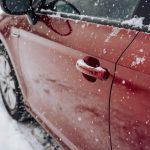
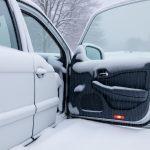
When temperatures drop, frozen rubber door seals can trap you outside your car — even if the locks themselves aren’t frozen. A quick, simple trick like applying petroleum jelly can make all the difference. Here’s why this winter hack works so well.
📑 Table of Contents
- ❄️ Why Car Door Seals Freeze
· 🧴 How Petroleum Jelly Protects Your Seals
· 🛠️ Get Winter-Ready With an Auto Locksmith Andover
❄️ Why Car Door Seals Freeze
Rubber seals around your doors and boot are designed to keep water out — but in winter, moisture can collect and freeze solid overnight.
🌧️ Moisture and condensation settle in the rubber
🥶 Cold temperatures turn it to ice
🚪 Doors stick shut or tear the rubber when pulled
A frozen seal can even damage the lock mechanism if forced.
🧴 How Petroleum Jelly Protects Your Seals
Applying a thin layer of petroleum jelly acts as a moisture barrier, preventing water from settling and freezing.
🧊 Creates a protective waterproof layer
🧽 Keeps rubber flexible and prevents cracking
🚫 Stops the door from sticking shut in the morning
Just apply a small amount around the rubber edges using a cloth — no need to overdo it.
🛠️ Get Winter-Ready With an Auto Locksmith Andover
If your seals are already damaged or your doors keep sticking, a local professional can help. A trusted Auto Locksmith Andover
offers:
🛻 Mobile winter lock checks
🔧 Door seal inspection
🔐 Frozen lock entry without damage
💡 Winter protection advice
✅ Final Tip
A little petroleum jelly goes a long way — and could save you from a cold, frustrating lockout this winter. Protect your seals now and stay ahead of the freeze.
Demob Locksmiths are always here to help keep you moving.